How Campsites Can Reduce Energy Costs Without Sacrificing Comfort
Energy costs have become one of the biggest operational challenges for campsites across Europe.
From swimming pools and sanitary facilities to accommodations and restaurants, modern campsites consume large amounts of electricity, gas and water.
While guests expect comfort, owners must also protect profitability.
The challenge is finding the right balance.
Energy Costs Continue to Rise
Although prices fluctuate, energy remains a major expense for many campsites.
High consumption is often linked to:
- heated swimming pools
- sanitary buildings
- air conditioning
- accommodation heating
- lighting systems
- restaurants and shops
Even small inefficiencies can have a significant impact on annual operating costs.
Start With Measurement
Many campsites know their energy bill but do not know exactly where energy is being consumed.
The first step is understanding:
- which facilities consume the most energy
- peak usage periods
- seasonal consumption patterns
- opportunities for optimization
Without data, reducing costs becomes difficult.
Smart Lighting Creates Quick Wins
Lighting is often one of the easiest areas to improve.
Modern LED systems can significantly reduce electricity consumption while improving guest comfort.
Additional benefits include:
- lower maintenance costs
- longer lifespan
- improved safety
- better appearance
For many campsites, lighting upgrades provide one of the fastest returns on investment.
Swimming Pools Require Attention
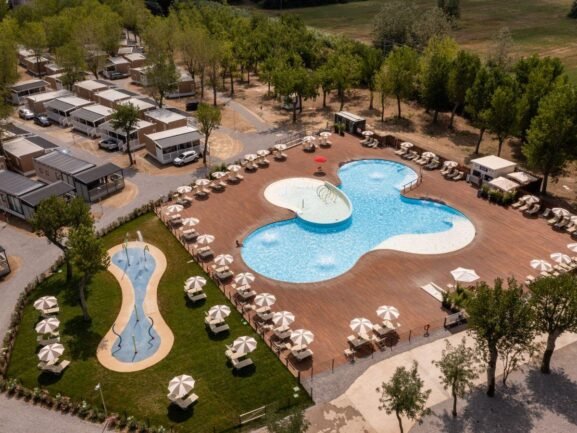
Pools are among the most energy-intensive facilities on a campsite.
Owners should evaluate:
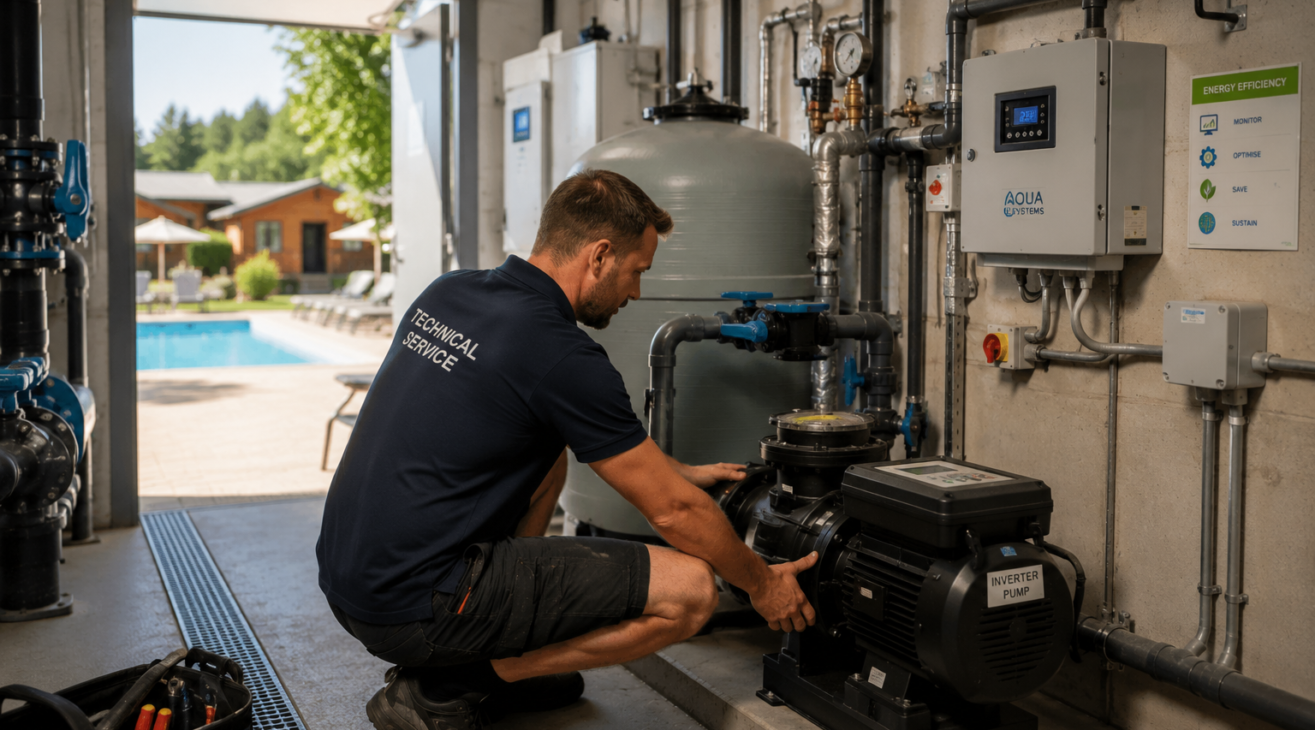
- pump efficiency
- heating systems
- filtration schedules
- pool covers
Small improvements can lead to meaningful savings throughout the season.
Solar Energy Is Becoming More Attractive
Solar installations continue to gain popularity within outdoor hospitality.
Benefits may include:
- lower electricity costs
- reduced dependence on energy markets
- improved sustainability image
- long-term cost stability
However, each campsite should evaluate local conditions and return on investment carefully.
Guest Comfort Should Remain a Priority
Cost reduction should never come at the expense of the guest experience.
Guests still expect:
- hot showers
- comfortable accommodations
- reliable facilities
- safe environments
The goal is efficiency, not cutting essential services.
Technology Can Support Efficiency
Modern systems increasingly help campsites manage energy consumption.
Examples include:
- smart meters
- occupancy-based heating
- automated lighting
- energy monitoring software
Technology allows owners to make more informed operational decisions.
Sustainability and Profitability Often Go Together
Many energy-saving measures deliver both environmental and financial benefits.
As guests become more environmentally conscious, sustainability can also strengthen marketing and brand positioning.
Every Kilowatt Matters
Energy costs are unlikely to disappear as a management challenge.
Campsites that actively monitor consumption and invest strategically in efficiency often achieve:
- lower operating costs
- improved profitability
- stronger sustainability credentials
- better long-term resilience
In a competitive market, efficient operations can become a significant advantage.