
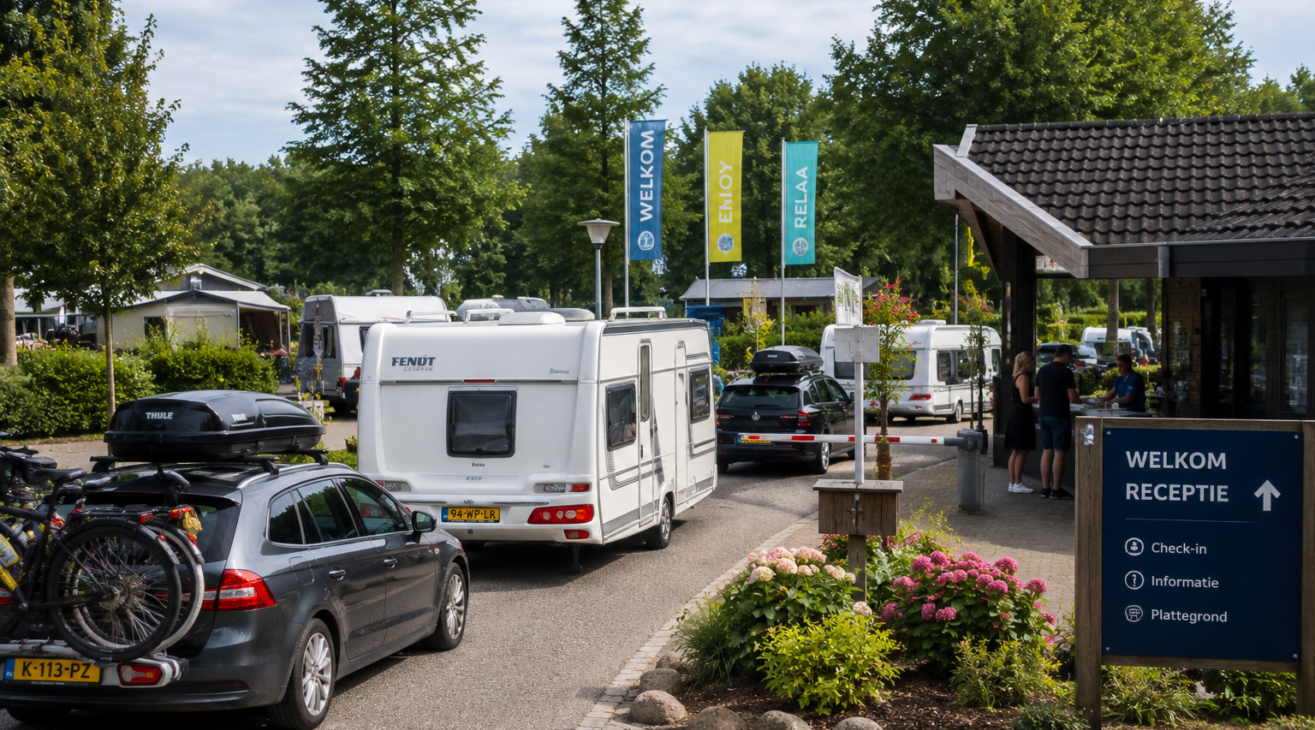
Why Arrival Days Matter More Than Many Campsites Think
For many campsites, arrival days have traditionally followed fixed patterns.
Saturday-to-Saturday stays were long considered the standard, especially during peak summer periods.
However, guest behavior is changing.
Modern travelers increasingly expect more flexibility in how and when they travel, and this directly affects campsite operations, occupancy and booking strategies.
The Traditional Saturday Model
For decades, fixed arrival days helped campsites simplify operations.
This structure made it easier to manage:
- cleaning schedules
- staff planning
- accommodation turnover
- guest arrivals and departures
Tour operators and travel agencies also relied heavily on standardized arrival schedules.
In many markets, Saturday became the dominant arrival day by default.
Guest Expectations Are Changing
Today, many travelers prefer more flexible holidays.
This includes:
- shorter stays
- midweek arrivals
- long weekends
- combining multiple destinations in one trip
Especially younger travelers and couples often no longer organize holidays around traditional weekly patterns.
As a result, strict arrival rules may reduce booking opportunities.
Flexibility Can Improve Occupancy
Flexible arrival days can help campsites fill gaps in availability.
For example:
- midweek arrivals can reduce empty nights
- shorter stays improve inventory usage
- dynamic scheduling creates more booking opportunities
This is especially important during shoulder season, when demand patterns are less predictable.
Operational Pressure Also Increases
More flexibility also creates operational challenges.
Variable arrival days may increase pressure on:
- housekeeping
- maintenance teams
- reception staff
- operational planning
Instead of concentrating arrivals on one day, campsites must manage a more continuous operational flow.
For some campsites, this improves balance. For others, it increases complexity.
Different Markets Behave Differently
Arrival preferences also vary between guest markets.
For example:
- family travelers often still prefer weekend arrivals
- couples may choose shorter flexible stays
- motorhome travelers often book spontaneously
- international guests may travel based on flight schedules
Understanding these patterns helps campsites decide how much flexibility actually makes sense.
Technology Makes Flexibility Easier
Modern booking systems increasingly support flexible arrival management.
This allows campsites to:
- optimize availability
- reduce gaps between stays
- manage pricing dynamically
- improve occupancy forecasting
Without digital systems, managing flexible arrivals can become difficult operationally.
Balance Is More Important Than Maximum Flexibility
Not every campsite benefits from unlimited flexibility.
In some cases, fixed arrival structures still work well, especially for highly seasonal family campsites.
The goal is therefore not maximum flexibility, but the right balance between:
- operational efficiency
- guest expectations
- occupancy optimization
Arrival Days as a Strategic Tool
Arrival days may seem like a small operational detail, but they strongly influence the overall business model of a campsite.
Campsites that actively evaluate their arrival strategy often gain more control over:
- occupancy
- operational flow
- guest satisfaction
- profitability
As guest behavior continues to evolve, arrival flexibility is becoming an increasingly important strategic decision.


