
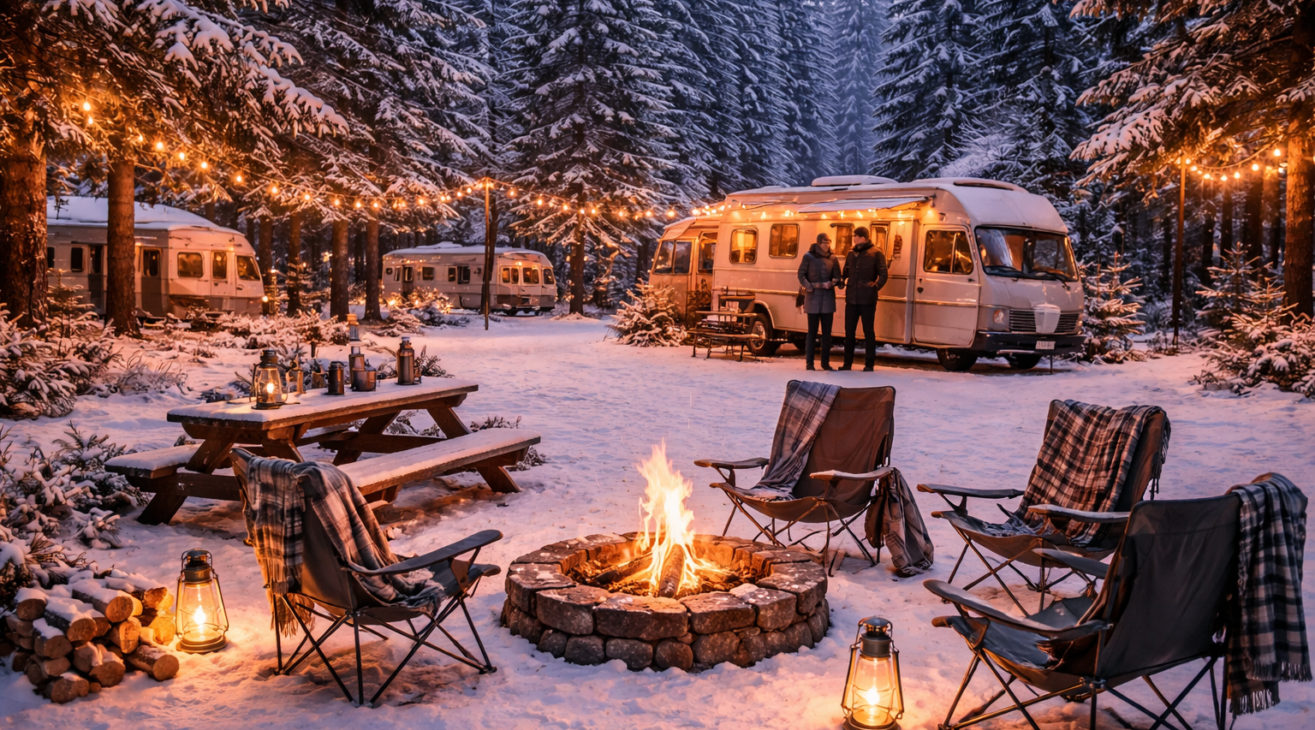
Is It Worth Keeping a Campsite Open All Year Round?
For many campsites, the season is clearly defined. Spring marks the start, summer brings peak occupancy, and autumn gradually slows down operations.
But more campsite owners are asking the same question:
Should we stay open all year?
At first glance, year-round operation seems like an opportunity to increase revenue. More open days could mean more bookings.
However, the reality is more complex.
Seasonality Is Still Strong
Camping remains a highly seasonal business.
Demand is strongly influenced by:
- school holidays
- weather conditions
- regional travel patterns
- guest segments
For many campsites, especially those focused on families, the majority of revenue is still generated during a relatively short peak season.
Opening outside these periods does not automatically guarantee additional income.
The Cost of Staying Open
Operating a campsite year-round comes with additional costs.
These include:
- staff availability during low season
- heating and energy consumption
- maintenance during colder periods
- keeping facilities operational
- administrative workload
If occupancy is low, these fixed costs can quickly outweigh the additional revenue generated.
When Year-Round Opening Makes Sense
There are situations where staying open all year can be a smart decision.
This often depends on the campsite’s positioning and target audience.
Examples include:
- campsites in urban or high-demand regions
- locations near ski areas or winter tourism
- campsites targeting motorhome travelers
- campsites with strong accommodation offerings (lodges, cabins)
- sites focused on short stays and weekend visitors
In these cases, demand is more evenly spread throughout the year.
Facilities and Infrastructure Matter
Not every campsite is designed for year-round operation.
To remain attractive outside the main season, campsites often need:
- heated sanitary facilities
- insulated accommodations
- winter-ready infrastructure
- reliable energy systems
Without these investments, guest experience may decline, making it harder to attract off-season bookings.
Staff and Operational Impact
Year-round operation also affects staff planning.
Many campsites rely on seasonal staff, especially during summer.
Opening year-round often requires:
- more permanent staff
- flexible scheduling
- broader skill sets within the team
This can increase costs but may also improve operational stability.
A Hybrid Approach
Some campsites choose a hybrid strategy instead of fully opening year-round.
Examples include:
- limited opening during low season
- opening only certain areas of the campsite
- focusing on accommodations instead of pitches
- targeting specific weekends or holiday periods
This approach allows campsites to test demand without fully committing to year-round operations.
A Strategic Decision, Not Just More Days
Keeping a campsite open all year is not simply about adding more operational days.
It is a strategic decision that should be based on:
- demand patterns
- cost structure
- target audience
- infrastructure readiness
For some campsites, it creates new opportunities. For others, it increases pressure without sufficient return.
Understanding this balance is essential before making the decision.


